By Chase Nelson
This year’s International Archives Week (IAW), hosted by the International Council on Archives (IAC) from June 8-12, 2026, is themed #ArchivesForJustice: Rights, Memory & Futures. IAW serves as a time to highlight archivist labour, bring attention to hidden collections, and advocate for support for the field of archives and archival institutions. The theme #ArchivesForJustice “reflects a shared recognition of the fundamental role archives play in supporting justice, rights, and democratic societies.”
Archivists and archival institutions play a significant role in responding to calls for accountability, justice, and inclusion as stewards of documentary heritage. The choices those in the archival profession make regarding what and what not to preserve, the language used when describing records, the restrictions imposed or access granted, and the tools used to do the work all reflect the values held by the institution, the ethical framework they follow, the legislative context they work in, and the archival theory they adopt to guide their practice. These choices have the ability to privilege certain individuals or groups over others, reproduce traumatic histories, and ignore consumption of resources to the harm of our planet; at the same time, they have the ability to amplify the voices of underrepresented communities, recognize and repair harmful power imbalances, and foster a responsible relationship with our environment.
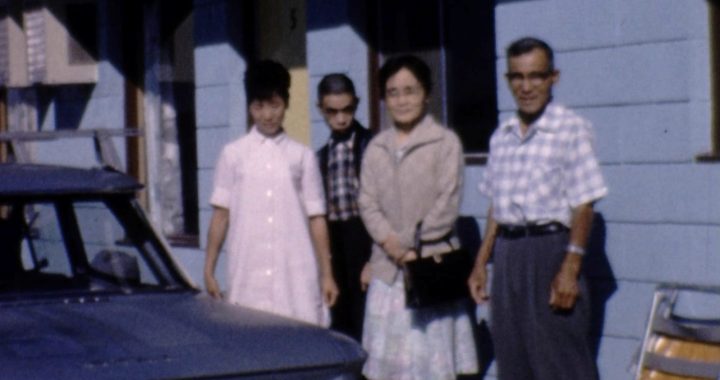
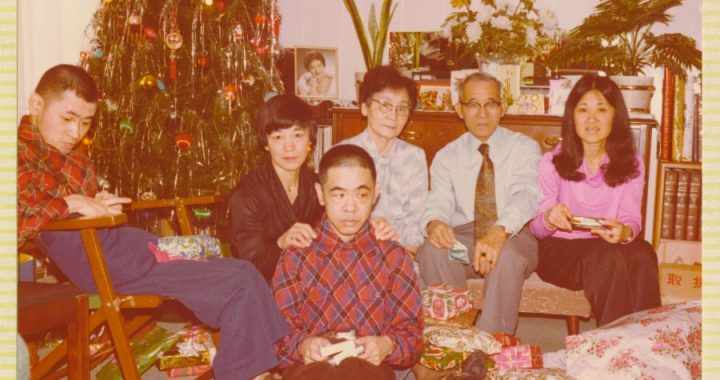
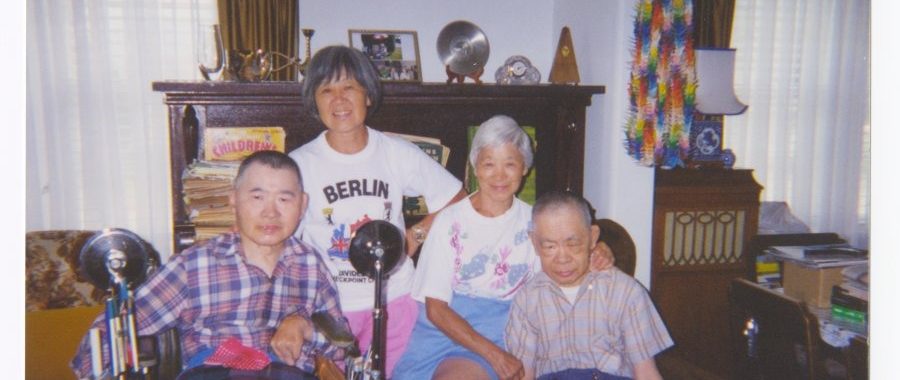
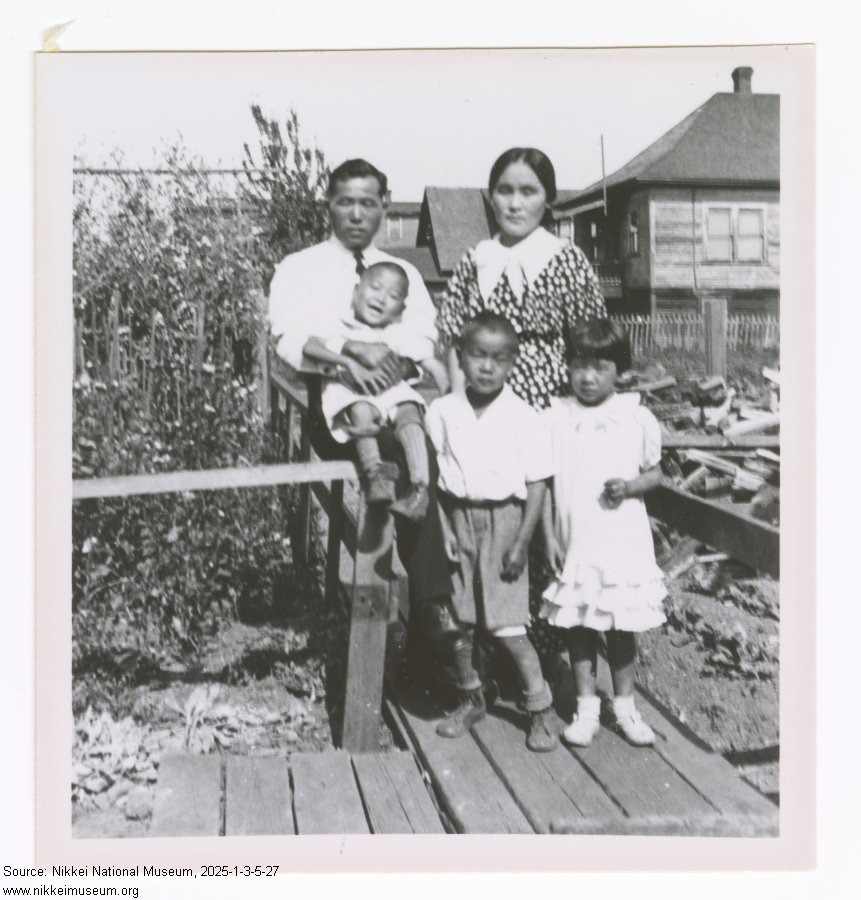
The digitization and publication of the Uyeda Family of Nakusp collection (NNMCC 2025.1) marked an important step for the NNMCC in preserving underrepresented histories in our archives. The collection documents the everyday lives of Japanese Canadians with disabilities in the period before, during, and after forced internment, and the family’s navigation of medical and social service systems in acquiring care, equipment, and accessibility accommodations. Masayuki (Masa) Uyeda (1928-2015) was born with an intellectual disability, impaired vision, and cerebral palsy. His younger brother, Atsushi (Atsu; 1931-2019), was also born with cerebral palsy and most of his body was paralyzed except for his right arm and hand. Their sister Teruko (Terrie; 1929-2017) experienced bouts of asthma, illness, and stress-induced hearing loss that were particularly exacerbated under the conditions of forced internment in Kaslo, BC.
The Uyeda Family of Nakusp collection was selected for digitization through our National Japanese Canadian Digitization Strategy. This strategy was developed in partnership with the Japanese Canadian Cultural Centre (JCCC) in Toronto with funding from the Government of Canada Digital Access to Heritage – Museums Assistance Program. It provides a framework for categorizing archival holdings and identifying priorities for digitization according to set criteria, including documentation of traditionally underrepresented demographic groups. The collection was assessed to be of high priority for digitization according to this framework, and we were able to address this priority through generous support from the University of British Columbia’s Irving K. Barber BC History Digitization Program, the Uyeda Family estate, Gwendolyn Papov, and Roger Pratt.
When processing the collection, Collections & Archives staff referenced the “Disability-Inclusive Language Guidelines” published by the United Nations Office at Geneva to ensure our descriptive language respectfully described the experiences of people with disabilities and combatted ableism, stigma, and stereotyping. The Guidelines encourage “people-first language” that “emphasizes the person, not the disability” – for example, Masayuki was a person with an intellectual disability, not an intellectually disabled person. They also recommend avoiding euphemisms such as “people of all abilities,” labels such as “courageous,” and medical language such as “afflicted with,” as these may soften or patronize the experiences of people with disabilities.
The guidelines ultimately emphasize the right of the individual or group to decide how they would like to be identified. While Atsushi passed away before the Uyeda Family of Nakusp collection was donated to us, we are privileged to have copies of his autobiography I, Atsu (2019), co-authored with his sister Teruko. Cerebral palsy prevented Atsushi from speaking during much of his early life, however he taught himself to communicate through alphabet blocks, a typewriter, and eventually a computer and speech-generating communication device. His life story in his own words served as an invaluable resource when describing the collection.
Staff also came across instances of harmful language and stereotypes in the collection, and instances where titles provided by the creator of the records did not match institutional guidelines. In these cases, staff practiced implementing “reparative description” notes and revised titles to provide alternative descriptions or context for why the language may be harmful. Reparative description allows us to address stereotypes and derogatory terms that may be present in the items we preserve. Identifying these terms, noting why they are problematic, and providing alternative descriptions works towards “repairing” the harm these terms cause.
In one example, a family member’s handwriting on an envelope describes the contents inside of it as “Evacuation Correspondence” (NNMCC 2025.1.7.3). “Evacuation” is considered an incorrect euphemism for the forced dispersal of Japanese Canadians during the Second World War. According to the Landscapes of Injustice project, the Canadian government purposefully employed euphemisms “to obscure the real intent and impacts of their actions.” Our staff aim to use language that accurately depicts the reality and harshness of this period in history; at the same time, we understand and honour the choice of survivors and community members to adopt these euphemisms in their own practice. In the instance of the envelope, staff employed reparative description to provide a revised title (referred to as a “supplied title” in the archival profession) using terminology defined in our Digitization Strategy to help mitigate further harm and dispel the impacts that euphemisms may still perpetuate today. Staff clearly identified both the revised title and the original title in the database record to ensure the original language used by the Uyeda family is still preserved.
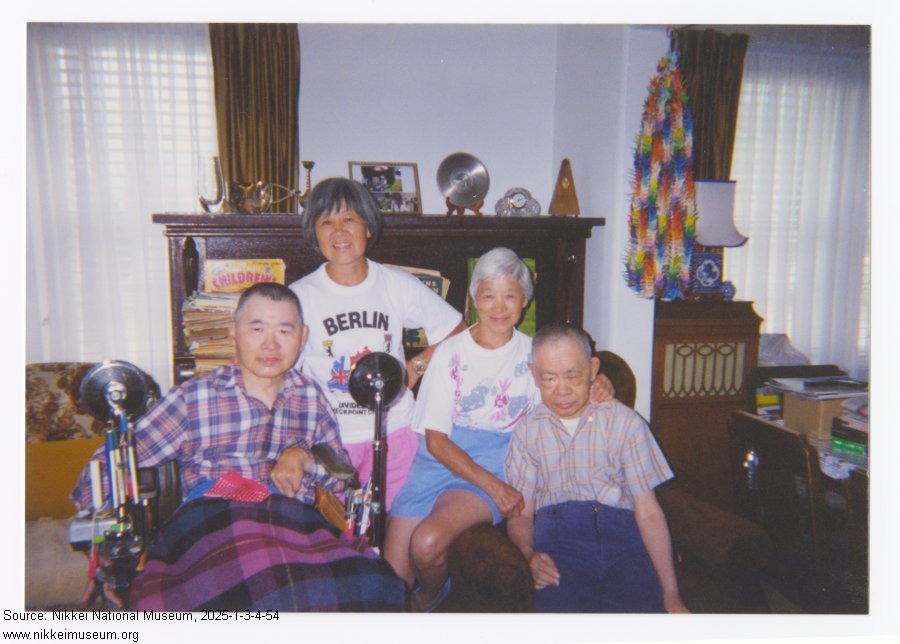
The Uyeda Family of Nakusp collection shows some of the methods our staff are using to ensure we meet the values centred in this year’s International Archives Week. As stewards of our national Japanese Canadian archives, we aim to harness the power of archives for justice, requiring an iterative process of discussion, consultation, experimentation, and assessment. The decisions we made here reflect some of our recent efforts to incorporate reparative description and preferred terminology guidelines to meet this aim. These decisions will evolve as we refine our practice and heed calls from the communities represented in our collections. This year’s IAW theme shows how the conversations happening amongst our Collections & Archives team are also occurring in archives around the world, and we look forward to continuing to share our experiences alongside others as we strive for justice, inclusivity, and the protection of our democratic rights.
If you notice items in our database that may require reparative description, please contact our team at [email protected] or 604-777-7000 ext 111.
Explore more from the NNMCC collections at nikkeimuseum.org.