October 26, 2021 – April 30, 2022
> read more

October 26, 2021 – April 30, 2022
> read more
Writing Wrongs is inspired by over 300 letters written by Japanese Canadians in the 1940s to protest the Canadian government’s forcible sale of their property.
> read more
July 10 – October 2, 2021
> read more
Dispossession of Japanese Canadians in the 1940s.
September 2020 – June 27, 2021

evidence of Kagetsu/Seymour logging camp
> read more
July 2019-July 2020
> read more
Along with every other Japanese Canadian, Kishizo Kimura saw his life upended by events that began in 1941. His experience of the tumultuous decade that followed—his uprooting and internment, his loss of personal property and livelihood, his effort to forge a new life in a new place after the war—was shared with tens of thousands of others. But his story is also unique: as a member of two controversial committees that oversaw the forced sale of property, Kimura participated in the dispossession of his own community.
> read more
Beginning in early 1916, over 200 Japanese Canadian recruits began military training in Vancouver. These men went on to fight in the Canadian Expeditionary Forces, participating in the major battles of the Somme, Vimy Ridge, Lens, Avion, Hill 70, Passchendaele, Amiens, Arras, Cambrai, Denain, Valenciennes, and Mons. 55 were killed or died of their wounds. Only six came home uninjured.
> read more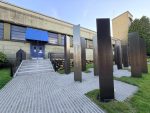
In early 1942, over 8,000 Japanese Canadians were detained in Hastings Park before being sent to internment sites in the BC interior or to work camps across the country.
> read more
Online exhibit In July 1942, the Tashme Internment camp, the largest in Canada, opened its doors to Japanese Canadians who had been ordered removed from the coast following the bombing […]
> read more